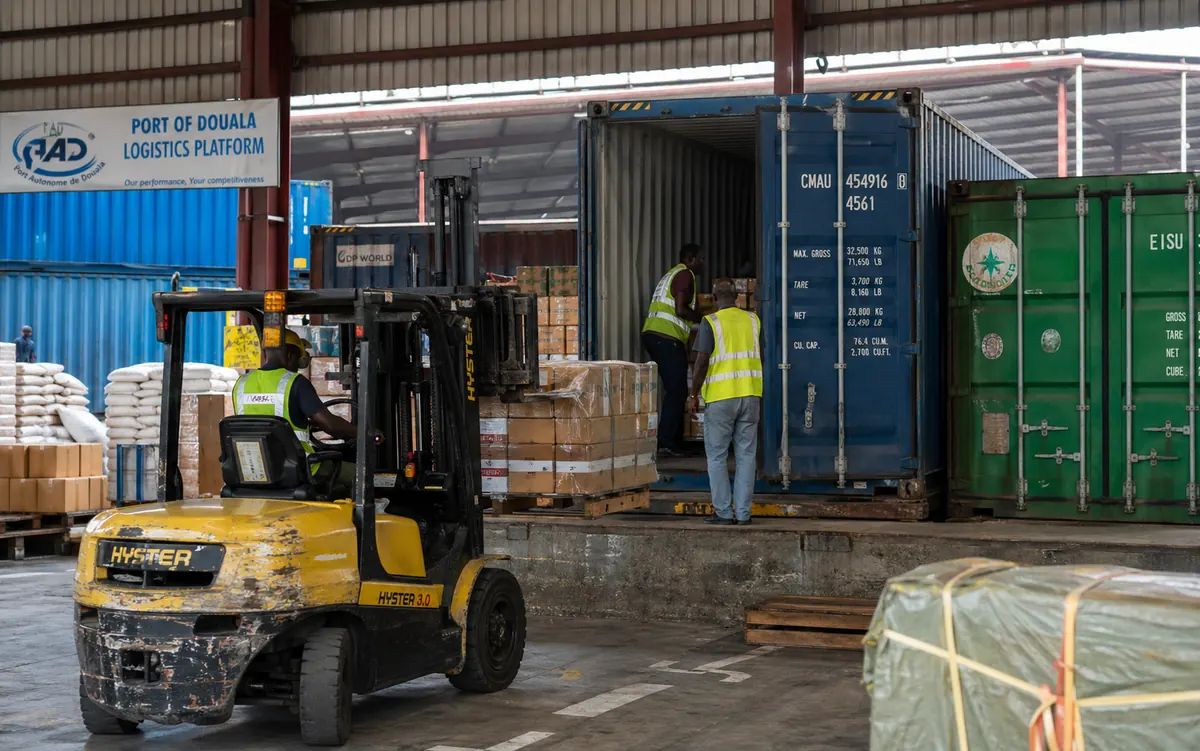
For importers shipping small quantities, paying for a full container (FCL) is expensive. The alternative: consolidation (LCL) — sharing a container between several shipments. Done well, the savings can reach 40 to 60% on the freight line. Here is how to set it up.
FCL vs LCL: at what volume should you switch?
- Less than 5 m³: LCL consolidation is almost always profitable.
- Between 5 and 14 m³: grey zone — compare both quotes case by case.
- Above 14 m³: a 20’ FCL becomes competitive, especially on long routes.
Steps for a successful consolidation
- Pick the right freight forwarder — one that consolidates regularly to Douala (weekly frequency is ideal).
- Prepare the cargo: standardized pallets, clear labelling, complete documents.
- Anticipate lead times: an LCL takes 5 to 10 days longer than an FCL (consolidation + deconsolidation).
- Secure insurance: an LCL passes through more hands than an FCL — ad valorem insurance is recommended.
Pitfalls to avoid
- Fragile cargo poorly protected: handling is more intense.
- Mixed categories: avoid food products with chemicals in the same container.
- Incomplete documents: a single mis-declared package can block the entire container at customs.
Our method at ALC
We run a weekly consolidation service from Europe and Asia to Douala. Quote within 24 hours, tracking of your parcel inside the shared container, secure deconsolidation on arrival and delivery anywhere in Cameroon.